
Experienced UK players know Turbo Mines is beyond just luck. The game blends strategic thinking with quick choices. On the surface, you just click tiles to avoid concealed bombs. To truly conquer it, you need a strong grip on probability, risk, and your own instincts. This guide is for players who have the basics down and want to elevate their performance further. We’ll explore tactics that employ maths and pattern identification, all within the fast-paced world of Turbo Mines. The focus here is on the UK scene, where certain strategic styles have taken root.
Learning Probability and Expected Value
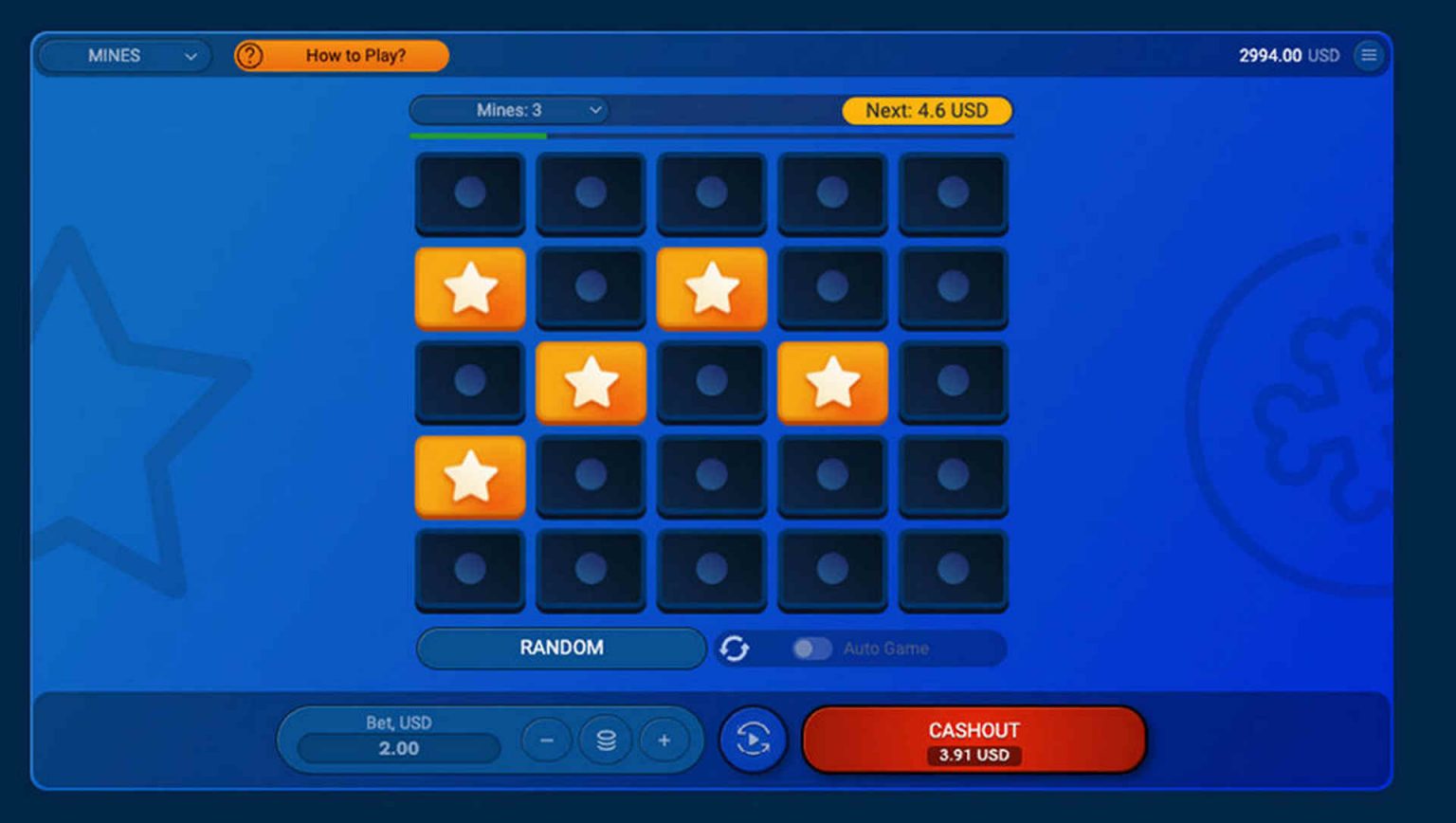
Turbo Mines is a challenge of hidden odds. Every click has a risk you can actually assess. At the start of a round, the basic probability is just the number of mines divided by total tiles. But this changes with every safe click. Good players are always reassessing the odds for each tile left. This is about more than a hunch. You need to weigh the ‘expected value’ of every potential move. Clicking a tile in a tight cluster where mines could be packed together is a different kind of risk than clicking one in an open area, even if the raw percentage looks the same. Getting a feel for these shifting odds lets you make decisions backed by statistics. You stop just reacting and start playing a probability-based game.
Computing Dynamic Odds in Real-Time
The real test is doing these sums in your head while the clock ticks. You must track the mines left and the hidden tiles after each reveal. Let’s say you begin on a 5×5 grid with 5 mines. Your first random click has a 5/25, or 20%, chance of hitting a mine. If that click reveals a safe ‘1’ (showing one mine nearby), you have new data. The eight tiles around that ‘1’ now hold exactly one bomb. By comparing this clue with other numbers that appear, you can sometimes find exact mine locations or spot areas of higher safety. Practising this deduction sharpens your mental maths, leading to faster, more confident clicks.
Capital and Danger Management for Long-Term Play
Keen tile selection means very little without strict control of your funds. High-Level play demands strict financial policies. Begin by establishing a solid limit for your gambling session and adhere to it. This is a key practice suggested by UK responsible gambling authorities. During play, decide what risk you’re at ease with per bet and when you’ll collect. A approach seeking huge multipliers requires a alternative bankroll plan than a cautious approach that gathers small, frequent wins. Many seasoned players use a ‘percentage rule’, where not a single bet is more than a minute, set slice of your session stake. This protects you from extreme swings and allows you survive a run of losses without going bust, so you can keep applying your strategic knowledge.
Tailoring to Different Grid Sizes and Mine Densities
Turbo Mines offers different grid configurations and mine counts. An expert adjusts their core tactics to match. A small grid filled with mines, like a 5×5 with 10 bombs, is a high-pressure environment. Early information is scarce and every click is dangerous. Here, a slow, careful approach might be better. On the other hand, a big grid with fewer mines, say 10×10 with 15, gives you more clues and room for complex deduction. Your tile selection should widen too. You might initiate with a few test clicks in different sections to map out safe areas before trying to clear big spaces. Recognizing how the core probability changes with these settings is a sign of a versatile player.
Tactic Adjustment for High-Density Boards
On a high-density minefield, there’s almost no room for mistakes. The first click becomes even more critical. A wrong guess can terminate the round immediately. Because of this, some advanced players use a ‘scouting’ mindset on these boards. The first few clicks are about gathering intelligence, not growing the multiplier. They might choose tiles spaced far apart to test different grid zones. The immediate aim transitions from profit to survival and information. Once a handful of safe tiles are locked in, the normal deductive logic can begin. But that opening phase demands extra caution and patience.
Studying Game History for Identifying Patterns

Turbo Mines uses a certified random number generator, so the game itself has no expected patterns. But examining your own game history is highly useful for spotting patterns in *your* choices. Most platforms provide you a comprehensive bet history. Studying these logs shows you where your strategy weakens. Do you always withdraw too quickly on rounds that might have paid higher? Do you often make a wrong guess after a certain number of safe clicks? When you treat your gameplay as a set of data, you can coldly judge how well your tile patterns and risk choices perform. This practice of self-analysis signals the difference between an intermediate player and an advanced one. It transforms every session, win or lose, into a lesson that hones your technique.
Sophisticated Betting Structures and Multi-Session Strategies
Gamblers who manage their bankroll at a skilled level sometimes schedule their bets across various rounds to enhance long-term results. This entails ideas like a ‘loss recovery’ tactic or a ‘profit parachute’. For example, after a strong win, a player might lower their base bet for the following few rounds to preserve some of those winnings. It’s similar to a trader’s ‘stop-loss’. After a scheduled series of losses, a quite small, regulated increase in bet size can aid recovery. These are not risky martingale-style progressions, but organized tweaks based on session objectives. Remember, no betting system can erase the house edge. These structures are just tools for handling your money flow while you apply your tactical skills on the grid.
Calculated Tile Selection Patterns
Picking tiles in a clever order is the difference between advanced play from random clicking. Novices often commence at the borders or corners. Veteran players commonly go for the middle or near it. A central first click offers you the most information, showing numbers for up to eight surrounding tiles and forming a bigger puzzle to solve. After a good central start, your next move should aim at tiles that provide the biggest information payoff. This typically means clicking next to revealed ‘1’s or ‘2’s. These lower numbers are simpler to read and determine possible mine placements much better than a high number like a ‘4’ or ‘5’.
Exploiting Low-Number Tiles for Maximum Intel
A ‘1’ tile is a powerful clue. It indicates that one of its neighbouring hidden tiles is definitely a mine. When you have two or more ‘1’s that overlap, you can often work out safe tiles with total certainty. For example, if two ‘1’s are side-by-side and share several unrevealed tiles, the logic of the overlap usually points to a safe spot. Concentrating your clicks on these overlapping zones cuts through the confusion faster and establishes safe paths across the grid. This pattern-focused method minimizes the need for blind guesses later on, which is crucial when you’re aiming for higher multipliers in the competitive UK Turbo Mines environment.
The Mindset of the Withdrawal Choice
Recognizing when to cash out is the most difficult mental challenge in Turbo Mines. The game leverages natural biases like the fear of missing out and the mistaken belief that a win is ‘due’. A skilled player spots these traps. The key is to set your cashout plan before the round even starts. This could be a fixed target, like cashing out at 3x, or a flexible one based on how many mines are left. The hard part is sticking to the plan once it’s made. Allowing emotions take over in the moment—thinking “I’ve had five safe clicks, a mine must be next”—is a sure way to lose. Many UK players keep a simple log of their cashout decisions and results. This builds self-control and helps determine which personal strategy works best over time.
Using Game Features and UK-Targeted Platforms
Mastery also involves knowing your tools. Optimize from the interface and features on trusted UK-licensed casino sites. Utilize options like instant replay at the same stake. Pay attention to the visual design of the grid; clarity assists. Understand all the settings. Sound cues or a slight delay on the cashout button can stop costly misclicks. Opting for UKGC-licensed platforms guarantees fair play through audited RNGs and access to responsible gambling tools like deposit limits and session reminders. These tools are part of long-term advanced play. These sites also are inclined to run the most fluid, fastest versions of the game, so your quick deductions and clicks happen without lag or glitches.
Typical Errors and Methods to Prevent Them
Even professionals can fall into familiar traps turbominescasino.com. One major danger is ’tilt’—letting emotions take over after a tough loss, which leads you to abandon your strategy and act on impulse. The fix is a strict rule to step away. Another mistake is looking for trends in the randomness itself, like assuming a lucky streak. The advanced player understands each click is an independent event. Past results don’t change future odds. The only pattern that matters is the logical one you establish from the numbers currently on the board. Finally, don’t make it too complex. While we discuss sophisticated methods, the best strategy is often the simplest: clear logic from the board numbers, strict bankroll rules, and a cashout plan you adhere to. Avoiding these mental and strategic errors ensures your expert play on solid ground.
For the experienced UK Turbo Mines player, true mastery combines maths, discipline, and mental strength. It’s about moving past the basics to use live probability calculations, smart tile selection, and firm rules for your money and cashouts. The goal isn’t to erase risk—that’s not possible—but to fully comprehend it, handle it with care, and make every move from a place of informed choice, not blind chance. Incorporating these expert strategies leads to more consistent, controlled, and ultimately more satisfying sessions. You get to see the strategic depth Turbo Mines really has.